
AI Adoption for Associations Starts Smaller Than You Think

For many associations, artificial intelligence still feels big, complex, and slightly out of reach.
There is often an assumption that before an organization can do anything with AI, it needs a formal strategy, a large budget, IT resources, and a clearly defined roadmap. In reality, AI adoption for associations usually begins much smaller.
Most organizations start with curiosity. Then they identify one practical use case — usually a task staff repeat every day — and ask a simple question: could this be easier?
After more than 20 years in the association space, I have seen organizations navigate every major wave of technology change. Websites once felt overwhelming. Mobile apps did too. Marketing automation, community platforms, and digital engagement tools all arrived with learning curves and hesitation.
Artificial intelligence is no different in that respect.
What is different is how accessible and low‑risk AI experimentation has become.
Why AI Adoption Feels Intimidating for Associations
Many organizations assume AI requires a large transformation initiative before it can deliver value. That perception often prevents experimentation before it even begins.
In practice, AI for associations works best when adoption starts with a specific operational challenge rather than a sweeping strategic overhaul.
Associations do not need a massive initiative to see meaningful results. Some of the most effective early use cases focus on everyday workflows — answering recurring member questions, helping members locate resources, summarizing discussions, or organizing large volumes of content.
These may not be flashy applications, but they remove real operational friction. And for lean association teams, removing small bottlenecks can quickly expand staff capacity.
How AI Improves Access to Association Knowledge
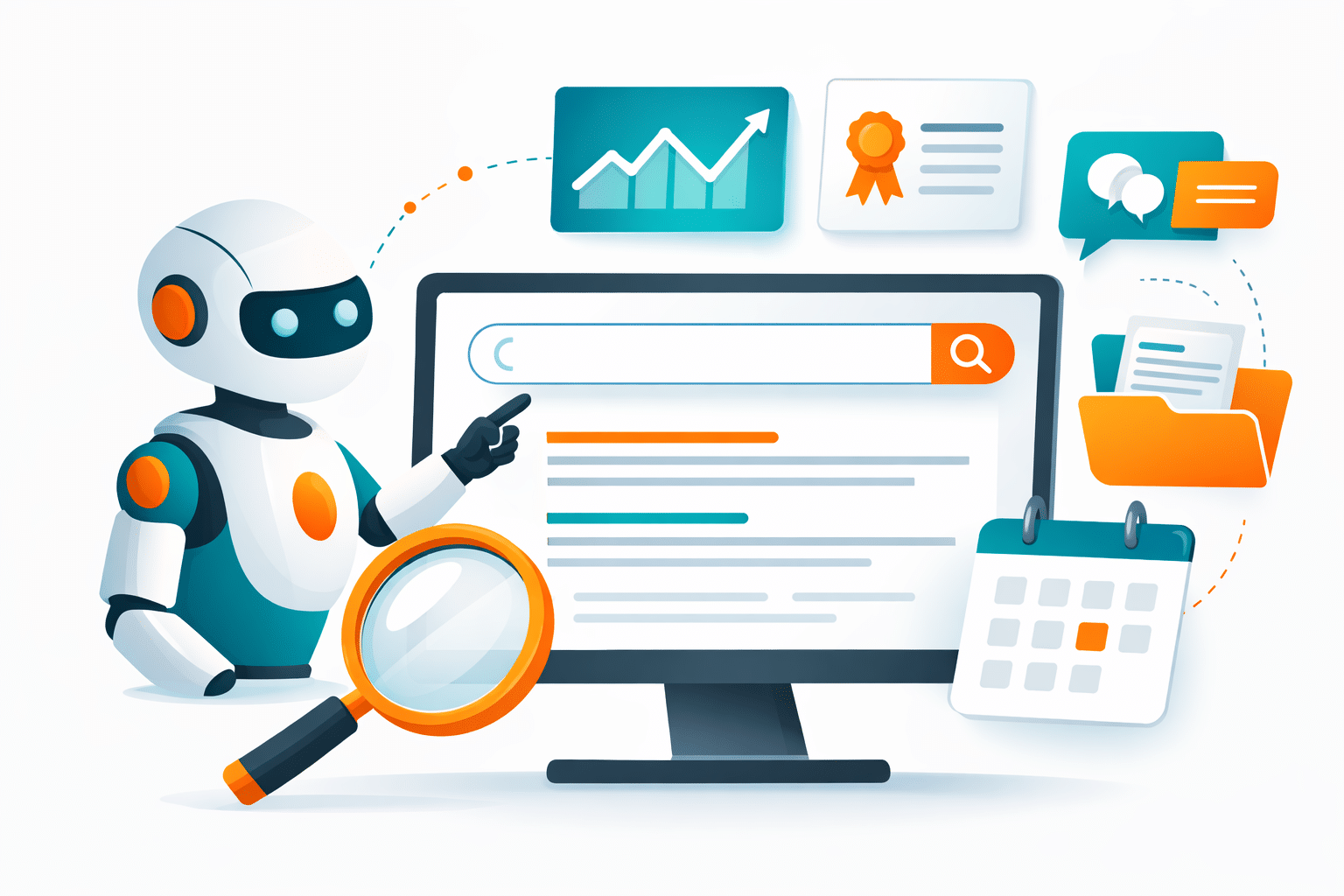
One of the most practical applications of AI for associations is improving access to information.
Most associations already maintain a wealth of valuable content — research reports, certification materials, event resources, community discussions, and member‑only knowledge libraries.
The problem is rarely whether the information exists. The real challenge is helping members and staff locate the right resource quickly enough to use it.
AI assistants can dramatically improve this experience.
An AI assistant can search across trusted association content and surface the most relevant answers, documents, or next steps. Instead of navigating multiple menus or submitting support questions, members can be guided directly to the information they need.
Member expectations have shifted in recent years. Professionals increasingly expect immediate answers and personalized digital experiences when interacting with associations. AI helps organizations meet those expectations without requiring staff to be everywhere at once.
Why AI Works Best Inside Trusted Association Platforms
Associations also have legitimate concerns about protecting the value of their content.
Membership organizations invest heavily in producing specialized knowledge. That content is part of the member value proposition, and it should not be unintentionally exposed through public AI tools.
For many associations, the safest way to explore AI is within the platforms where their data already lives.
When AI capabilities operate inside trusted systems, permissions remain intact, governance controls stay in place, and staff can experiment without exposing proprietary knowledge.
This approach allows organizations to enhance existing workflows rather than introducing entirely new systems.
Historically, new technology required major implementation projects. AI adoption is far more modular. Associations can test a single workflow, campaign, or AI assistant experience without committing to an organization‑wide transformation.
For associations where small teams manage a wide range of member services, that flexibility matters.
How AI Expands Staff Capacity Without Replacing Human Work
Many associations are trying to deliver highly personalized member experiences with limited staff capacity.
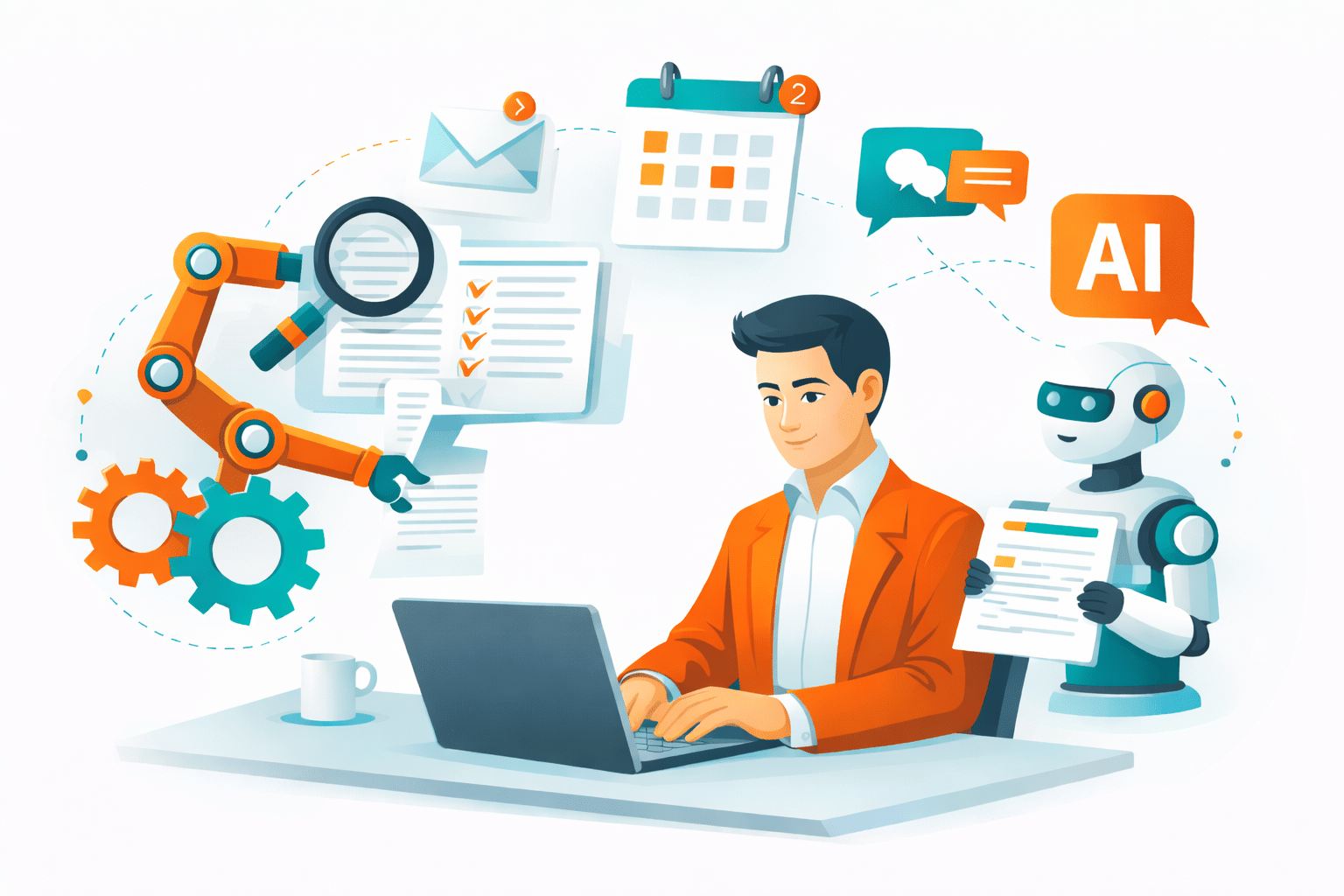
AI cannot — and should not — replace the relationships that define association communities. What it can do is reduce the repetitive work that consumes staff time.
AI can assist with drafting routine communications, summarizing community discussions, suggesting engagement messages, and organizing large content libraries more efficiently.
Individually these improvements may seem small. Collectively they create breathing room for teams — time that can be redirected toward strategy, member engagement, and innovation.
This is where the real shift becomes visible. AI is not just about speed. It is about capacity.
When staff spend less time chasing information or repeating manual tasks, they gain more time to focus on work that strengthens the organization.
They can listen more closely to members, design stronger programs, and build the professional connections that make association communities valuable.
Those are experiences only people can create.
Why AI Supports the Association Mission
Associations exist to help professionals learn from one another, build relationships, and advance their industries.
Community and trust sit at the center of that mission. AI should support that mission — not distract from it.
Used thoughtfully, AI can help associations become more responsive, more efficient, and more consistent in how they serve members. It can reduce operational bottlenecks, improve service quality, and make valuable resources easier to discover.
Organizations that rely entirely on manual processes may eventually struggle to keep pace with rising expectations for fast, personalized digital experiences.
Exploring AI in a controlled, intentional way allows associations to adapt while protecting member trust.
How Associations Can Start Experimenting With AI
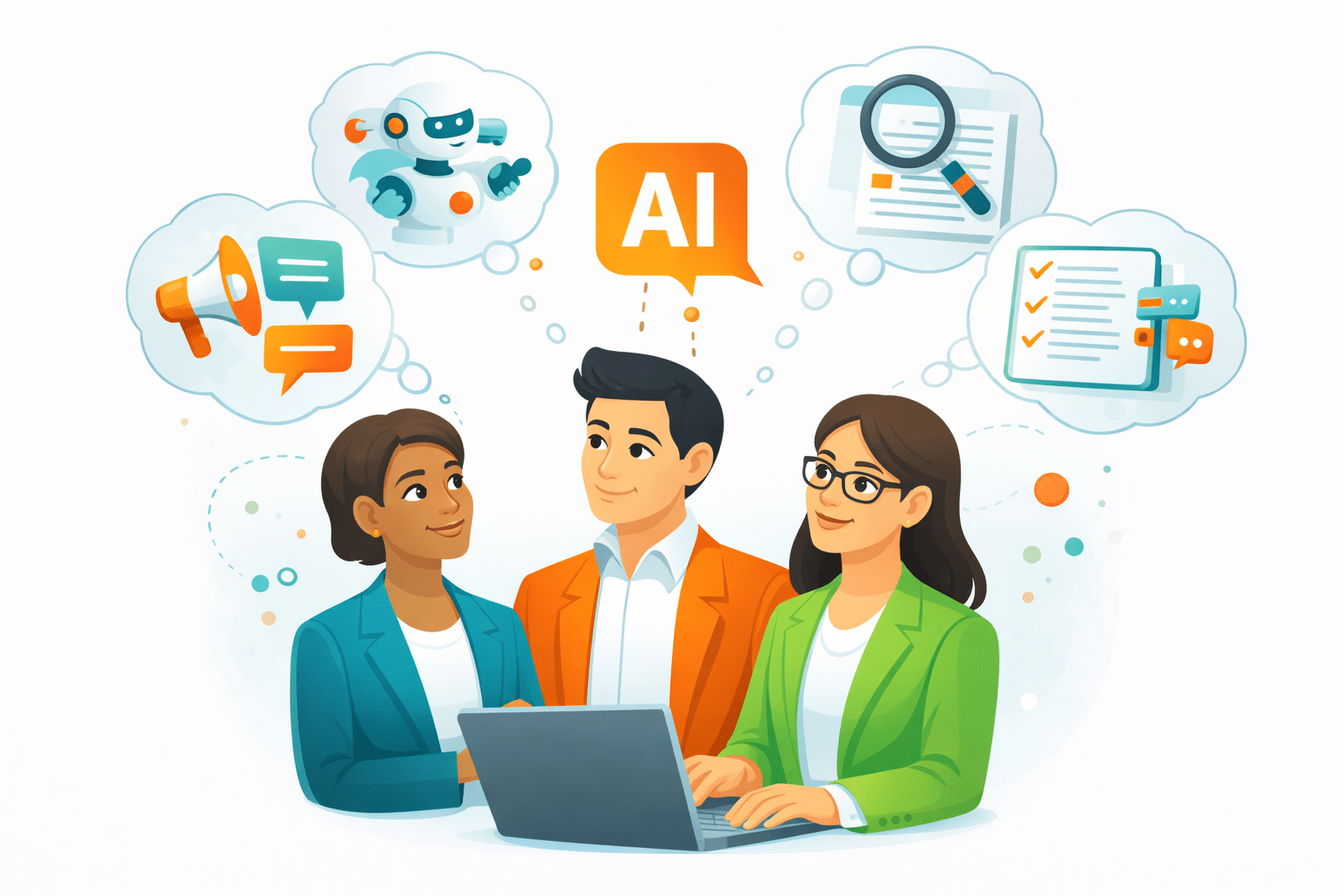
Associations do not need a fully developed AI strategy before they begin experimenting. In many cases, the best insights come from testing a small use case and learning from the results.
A practical approach is to identify one area where friction already exists and test whether AI can help. That might include member support workflows, content discovery across knowledge libraries, marketing campaign creation, or community engagement management.
Start with a single workflow or repetitive task. Run a small experiment and observe what changes.
Once one process improves, the next opportunity usually becomes much easier to identify.
If an association can reclaim even 10 to 20 percent of staff time through thoughtful AI use, the impact can be significant. That time can be reinvested into member service, program development, and the connected experiences that drive long‑term engagement.
What This Means for Association Leaders
- AI adoption for associations does not require a large transformation project.
- The most effective starting point is often a single operational workflow.
- AI assistants can significantly improve access to association knowledge and resources.
- Even modest efficiency gains can expand staff capacity and improve member service.
- AI should be implemented in ways that protect trusted association content and governance structures.
For association leaders, the opportunity is not automation alone. It is creating the time and capacity needed to deliver stronger member experiences.