
5 Common Mistakes When Onboarding New Association Members

Recruiting new members is hard work—but retaining them is even harder. After the dues are paid and the paperwork is signed, many associations assume the hardest part of the journey is behind them. In reality, this is one of the most precarious moments in the entire member lifecycle. A clunky, impersonal, or overwhelming onboarding experience can lead to immediate disengagement, or what many call “member remorse.”
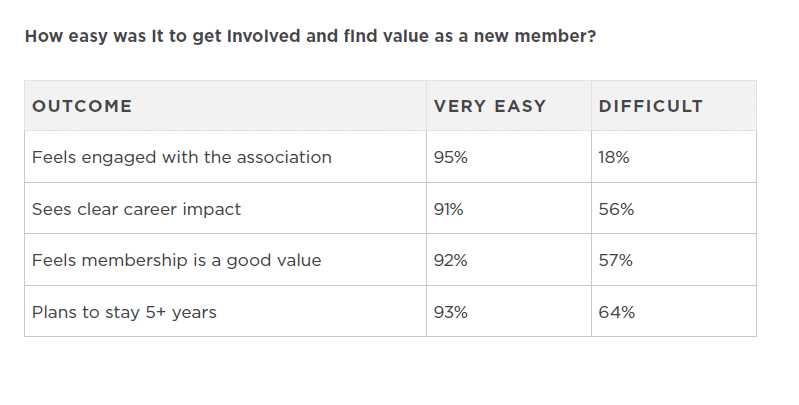
Member onboarding should improve how easy it is for members to get involved with your organization and find value, which is a HUGE driver of engagement and retention. The 2025 Association Member Experience Report found that 93% of members who said it was “very easy” to get involved in their association plan to stay 5+ years—compared to only 64% who said it was “difficult.”
Effective onboarding is more than a single welcome email or a splashy kickoff event. It should reinforce a member’s decision to join, and help them find value and blend into your community as quickly and confidently as possible.
Here are five common onboarding mistakes associations make, and how your association can avoid them to ensure engagement from day one.
Mistake #1: Flooding the Inbox with Generic Information
New members often receive a barrage of emails the moment they join—login credentials, event calendars, handbooks, volunteer requests, donation prompts, and more flood their inboxes, leaving these members feeling overwhelmed instead of welcomed. This can lead to low engagement with key systems (like your member portal) because there is simply too much information to process.
Instead of flooding the inbox, dispense information in a slow drip over the first 30 days. Spacing out information ensures members can absorb it at a realistic pace. Start with one clear call to action, like:
- Logging into the member portal
- Updating their profile
- Joining the welcome orientation
Save additional resources, like committee signups, event calendars, and handbooks, for later touchpoints when the member is ready.
Mistake #2: Neglecting the Chapter-Level Experience
For national organizations, the real member experience is shaped locally. New members interact most frequently with their chapter leadership, chapter events, and chapter communication channels. If that experience feels inconsistent or outdated compared to the national brand, it lowers the perceived value of national membership.
Building out your association’s tech stack ensures every chapter mirrors the professionalism of national headquarters. Look for platforms that streamline:
- Branding (templates, shared assets, approved logos)
- Communication (centralized messaging tools, email templates)
- Banking and Dues Collection (multi-chapter financial management, sub-accounts, compliant payment options)
The right tools create consistency across your organization and increase members’ trust in your brand. For example, while asking members to pay chapter dues to a treasurer’s personal Venmo account might make members feel uneasy, a unified banking platform for multi-chapter organizations communicates professionalism and steadiness.
Mistake #3: Ignoring Personalization Opportunities
Each new member joins for their own unique reasons. Some are looking for networking and peer support. Others prioritize certifications, professional development, or industry updates. When all members receive the same generic onboarding experience, it can sap them of their enthusiasm and make them question whether your association can offer them what they really want.
Today’s associations, however, have access to powerful tech tools that make tailored onboarding easier than ever. For example, your association can leverage AI to analyze initial member data and behavior to personalize the onboarding journey.
AI tools can:
- Offer targeted recommendations for subgroups, committees, or local chapters based on a member’s job role, experience level, or stated interests.
- Curate learning paths by automatically sending members webinars, articles, certifications, or resource libraries aligned with their professional goals.
- Pair members with mentors or peers who share similar specialties, career stages, or regions.
By personalizing the first few touchpoints, your association signals to each member that you understand their goals and that you’re here to help them grow.
Mistake #4: Creating Operational Friction
The onboarding period is when member enthusiasm is at its peak. New members are motivated to explore the portal, sign up for events, and get involved. But nothing derails that momentum faster than unnecessary administrative hurdles.
Pain points that drive members away include:
- Printed forms
- Physical checks
- Outdated payment methods
- Third-party registration pages that look nothing like your brand
These experiences feel disjointed, outdated, and inconvenient—especially to members who expect modern digital options. Instead, ensure you offer one-click, mobile-friendly options with modern charity donation processing and event registration tools that make it easy for members to say yes to participation.
Mistake #5: Treating Onboarding as a One-Week Event
Onboarding is about welcoming new members into your community, but true integration takes time. If communication drops off after the initial welcome sequence, new members can feel left behind and start to drift away.
Effective member onboarding should typically be a three to six-month journey. During this window, members form their first impressions, build habits, and decide whether they’ll renew.
Check in consistently to show you care and keep members on track. Here are a few suggestions for thoughtful ways to touch base:
- 30 Days: Confirm they’ve logged in, attended an event, or accessed key resources. You might ask, “Is there anything you need help navigating?”
- 60 Days: Ask about their goals and whether they’re finding what they expected. Try diving deeper by asking whether there are specific programs they want to get involved with.
- 90 Days: Invite personalized feedback and suggest next steps (committees, certifications, subgroups).
These touchpoints are an opportunity to build genuine connections with new members, and they give you time to help members who are unsure or struggling connect to the right programs, committees, or benefits before renewal season arrives.
The Takeaway
Onboarding is the foundation of long-term member retention, and avoiding these common pitfalls can dramatically strengthen your entire community. Take time to walk through your onboarding experience as if you were a brand-new member—if you encounter friction, confusion, or moments that feel unprofessional, it’s a signal to refine your approach. A smooth, thoughtful start not only validates a member’s decision to join but also sets the stage for deeper engagement, stronger satisfaction, and a longer, more committed tenure.